
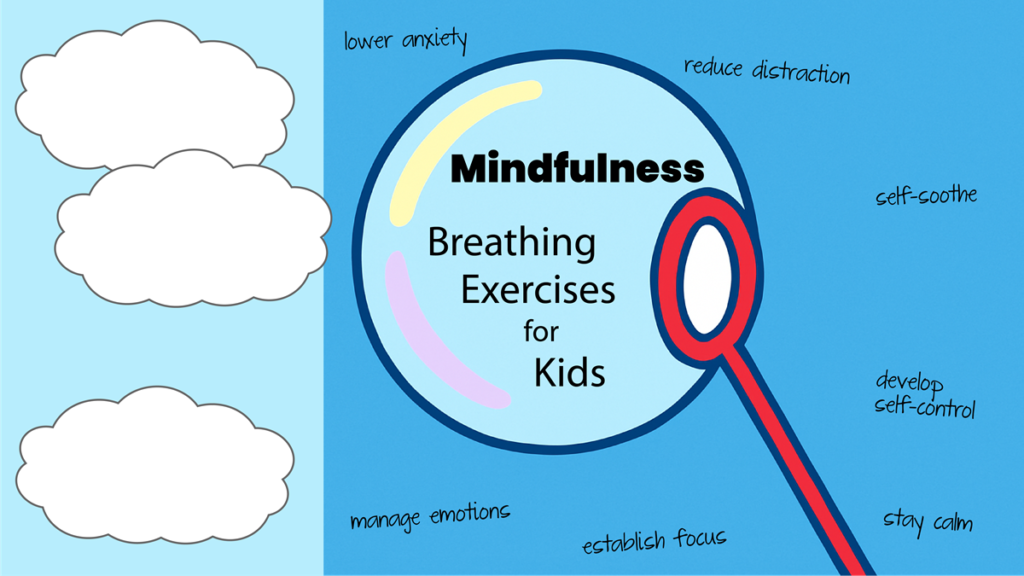
I have many bookmarked mindfulness videos for kids that I use when teaching. However, there are only a few that I return to again and again with primary students. I wanted to share my favorites in case you would like to use them too.
There are many reasons I will put on a breathing exercise video. Here are a few:
- Manage excitement: Students may have just returned from a fun gym class or school assembly and are full of energy.
- Calming strategy: A conflict may have occurred in the classroom and we need to ease tension to reestablish a positive learning environment.
- Establish focus: The class is about to begin a creative or critical thinking task that requires concentration.
- Lower anxiety: A standardized test or short quiz may be coming up, which can be stressful for some children.
- Reduce distraction: The classroom may have become very busy and it is time to lower the noise level and improve attentiveness.
What I Look for in a Mindfulness Video
There are many content creators online making mindfulness videos, but not all of them are suitable for young children. To hold students interest and encourage participation, the video needs the following qualities:
- Short length: Two to three minutes is the ideal amount of time. Anything longer and students may become silly, which defeats the purpose of the exercise.
- Cartoon animation: Children are most engaged by videos with characters and playful imagery that capture their attention.
- Soothing voice: The narrator gives instructions in a calm, gentle tone that makes children want to listen.
- Kid-friendly content: The actions must connect to young learners. For example, they should involve movements children understand, such as sniffing a flower, making a rainbow with their arms, or blowing a bubble.
Must Watch Mindfulness Videos for Early Elementary Students
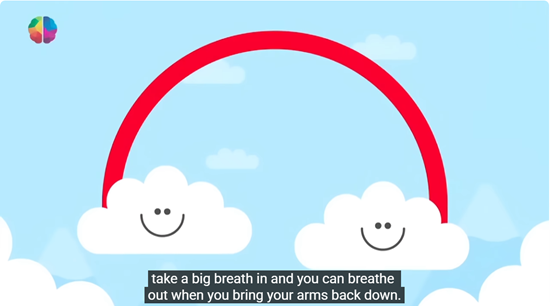
Rainbow Relaxation – Moving Meditation
This animated breathing activity invites students to paint a rainbow by lifting their hands up and down above their heads to create the colored lines. Primary students love it. To match their arm movements with the animation, they must focus their attention on the screen. The gentle actions also make it an excellent choice for children who benefit from moving meditation, especially those who find it difficult to sit still.
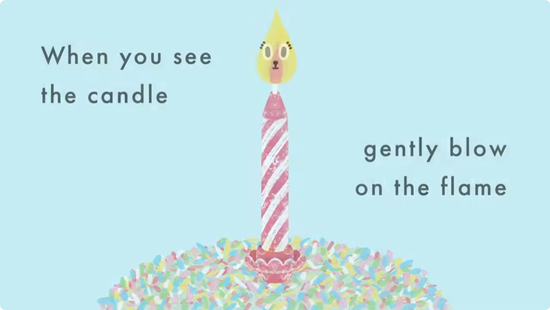
Candle and Flower Breathing – Relaxing Mindfulness
This mindful breathing technique guides students to imagine smelling a flower as they inhale through the nose, then blowing out a candle as they exhale through the mouth. The calming music adds to the soothing atmosphere, and the simple imagery is easy for children to understand. The gentle repetition helps students settle their bodies and minds.
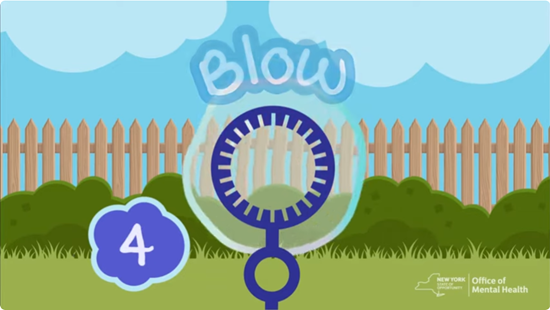
Bubble Breathing Exercise – Inhale, Hold, and Exhale
This short one minute breathing exercise has children imagine blowing bubbles. Students inhale, hold their breath, and then exhale for a count of four. The longer they blow out, the bigger the bubble grows. The simple movement is soothing to the nervous system and can quickly reduce tension.
Bubble Bounce – Mindful Looking
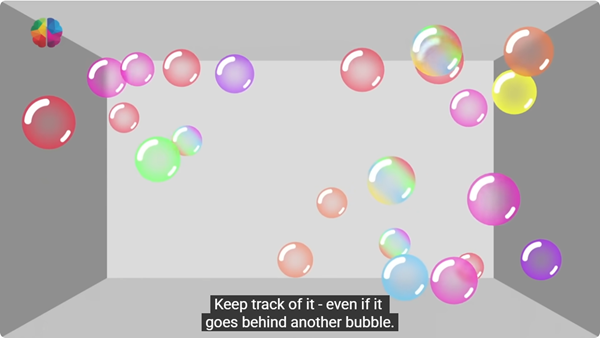
At first glance, this mindful looking relaxation practice may seem too long at four minutes. However, you can skip the first fifty seconds, as the introduction is lengthy. In the activity, students follow colored bubbles as they move across the screen. Other bubbles appear with distracting actions, but children are encouraged to maintain their focus. I like to use this video before a creative activity, when introducing a new topic, or when preparing students for a task that requires deep concentration.
Build Healthy Habits in Young Elementary Students
Mindfulness videos offer many meaningful benefits for children. Breathing exercises teach them how to manage emotions such as frustration or excitement, while relaxation strategies help them recover more quickly from upsetting situations. These practices also reinforce the value of staying calm and maintaining focus. Over time, regular mindfulness experiences support students in developing self control, helping them regulate their actions and emotions both inside and outside the classroom.
Integrate Digital Literacy Skills into Building Healthy Habits
Mindfulness videos for kids are a valuable teaching resource. If you are teaching a health and wellness unit to primary students and want to bring a digital component to the experience, consider exploring TechnoFit. This project uses Microsoft Publisher to guide students as they promote healthy eating and active living, all while building essential publication skills. These same skills can easily transfer to creating posters that highlight the importance of mindfulness. Or, if you want to integrate digital literacy, language arts, and health, students can design stories featuring characters who learn to manage big emotions.